Anniversary games are an extremely common type of anime game, and are often made to both celebrate a series and introduce it to a newer, younger audience. Dragon Ball celebrated the Dragon Ball Z anime’s 30th anniversary with Dragon Ball Z: Kakarot, a near-complete game adaptation of the Saiyan to Majin Buu arcs and, as of the “Goku’s Next Journey” expansion, the only full, proper adaptation of that part of the story. Fist of the North Star celebrated the manga’s 35th anniversary with Fist of the North Star: Lost Paradise, a Like a Dragon-themed spinoff with an original story. Sword Art Online celebrated the anime’s 10th anniversary (and, technically, the series’ 20th) with Sword Art Online: Variant Showdown, a free-to-play action game that just returned from long-term maintenance. It also celebrated the game series’ 10th anniversary with Sword Art Online: Last Recollection—the final chapter of the Gameverse story—and Sword Art Online: Fractured Daydream—the first game to be tied to the anime. Even BLEACH: Rebirth of Souls is an anniversary game, celebrating the anime’s 20th anniversary. Anniversary games are prevalent among anime, but one specific type always gets people talking: the crossover games.
In the last ten years, Shueisha’s “Weekly Shonen Jump” manga magazine has been used for Bandai Namco’s J-Stars Victory Vs and Jump Force for the magazine’s 45th and 50th anniversaries, while Kadokawa’s “Dengeki Bunko” light novel line has been adapted into Dengeki Bunko: Fighting Climax for its 20th anniversary. A 55th anniversary Jump game was expected, as both J-Stars and Jump Force sold well, but—aside from some very stupid rumors—nothing has been announced. However, if a recent trademark filing pans out, a familiar-ish name may be returning the crossover game ring. On December 10, Shueisha applied to register a trademark for “ジャップジャシンアルラッジュ” (Jump+ Jumble Rush) in Japan. The trademark is in the usual game categories: 9 and 41.

Shonen Jump+ launched on September 22, 2014, and is home to hit series like SPY×FAMILY. The magazine’s series has also spawned several games including Bandai Namco’s SPY×ANYA: Operation Memories, MAGES.’s Summer Time Rendering: Another Horizon, Aiming’s 2.5 Dimensional Seduction: Angels on Stage!, and Momo-pi’s Captain Velvet Meteor: The Jump+ Dimensions (which Shueisha themselves published). With Jump+ celebrating its 10th anniversary in 2024, and when we consider the industry’s penchant for anniversary games, it makes sense that a Jump+ crossover game would be on the way. However, the game would face a major challenge right out the gate: licensing.
Let’s Talk About Licensing
According to CyberConnect2 CEO Hiroshi Matsuyama, many IPs have two main kinds of licenses, which I’m going to call the “Source” and “Adaptation” licenses. You can tell which license a game is using by looking at the copyright information that is often displayed on the title/“Press Start” screen. Let’s look at JoJo’s Bizarre Adventure: All Star Battle R, for example.
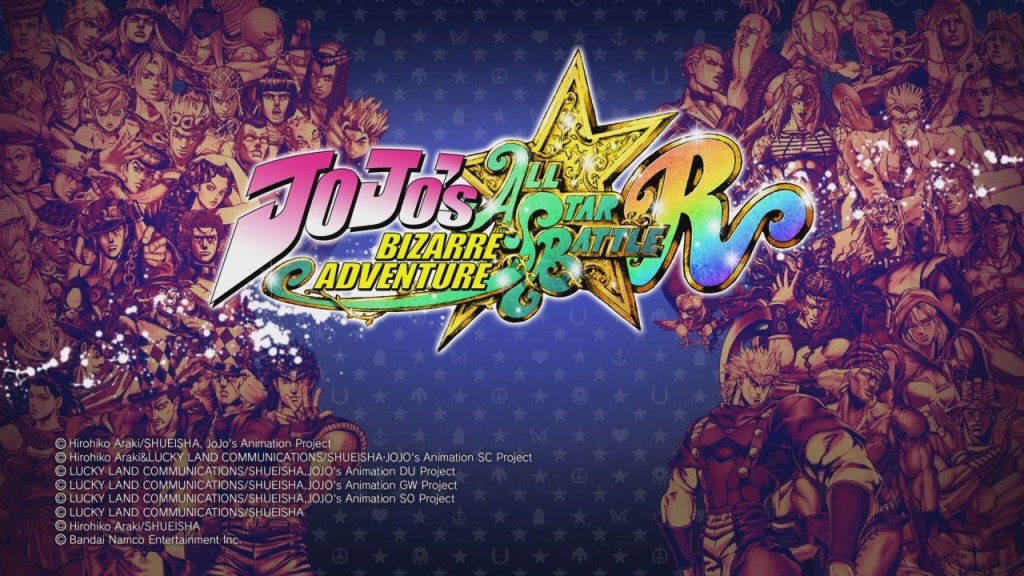
When you open the game, you’re greeted by 8 lines of copyright info. Let’s break the first five lines down:
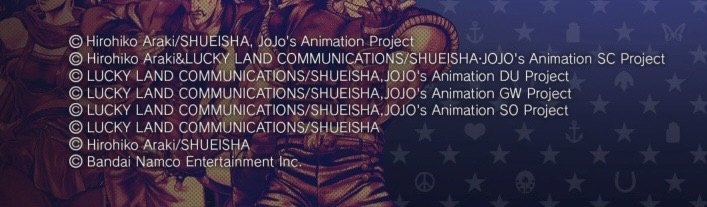
- “JoJo’s Animation Project” = The original JoJo’s Bizarre Adventure anime (Phantom Blood and Battle Tendency)
- “JOJO’s Animation SC Project” = Stardust Crusaders
- “JOJO’s Animation DU Project” = Diamond is Unbreakable
- “JOJO’s Animation GW Project” = Golden Wind
- “JOJO’s Animation SO Project” = Stone Ocean
The first five lines directly correlate to the anime. The 6th line, which lists only Lucky Land Communications and Shueisha, is for the yet-to-be-animated parts, Steel Ball Run and Jojolion. The seventh line, which lists Hirohiko Araki himself instead of Lucky Land Communications, is for Baoh, and we can conclude that because this specific line isn’t in Eyes of Heaven and neither is Baoh. The eighth line is for the game itself, which Bandai obviously owns the rights to. To compare, let’s look at Dengeki Bunko: Fighting Climax:
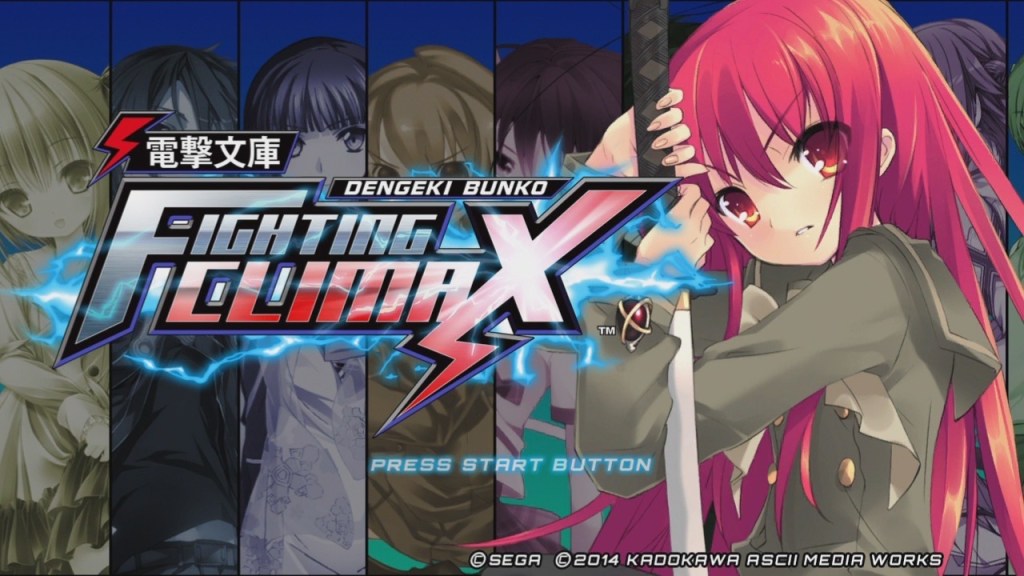
There are two copyrights: Sega for the game and Kadokawa/ASCII Media Works for Dengeki Bunko itself. In short, the less names and lines you see, the more likely it is that the anime adaptation is not being used and, therefore, that game is using the Source License. The Source License comes from the producer/distributor of the source material, while the Adaptation License comes from the Producer/Distributor of whatever adaptation the game is tied to. For example, if Dragon Ball games were produced with the Source License, Toei Animation’s name would not be on any of them.
Using the Adaptation License can also come with its own set of problems. Because anime games are, ultimately, products, they’re made to be in line with the anime, usually don’t go beyond what the anime covers (because that’d be terrible brand synergy), and are released shortly after the most recent complete arc that the anime and game both cover.
- My Hero Academia: One’s Justice 2 stops at the Shie Hassaikai arc, despite the manga having finished that arc before One’s Justice 1 was released.
- BLEACH: Rebirth of Souls stops at the Arrancar arc, despite the manga having ended over a decade ago.
- Demon Slayer: The Hinokami Chronicles 2 will not cover the Infinity Castle arc at launch. In this case, because Aniplex is both the distributor of the anime and the original publisher of the game (SEGA distributes it outside Japan), there is no way in hell Aniplex would jeopardize their marketing strategy just for the game.
Licensing also has one major issue: expiration. If the agreement that brought a product into existence is not renewed, the product can no longer be sold. This situation has resulted in many games and DLC no longer being available to buy, including:
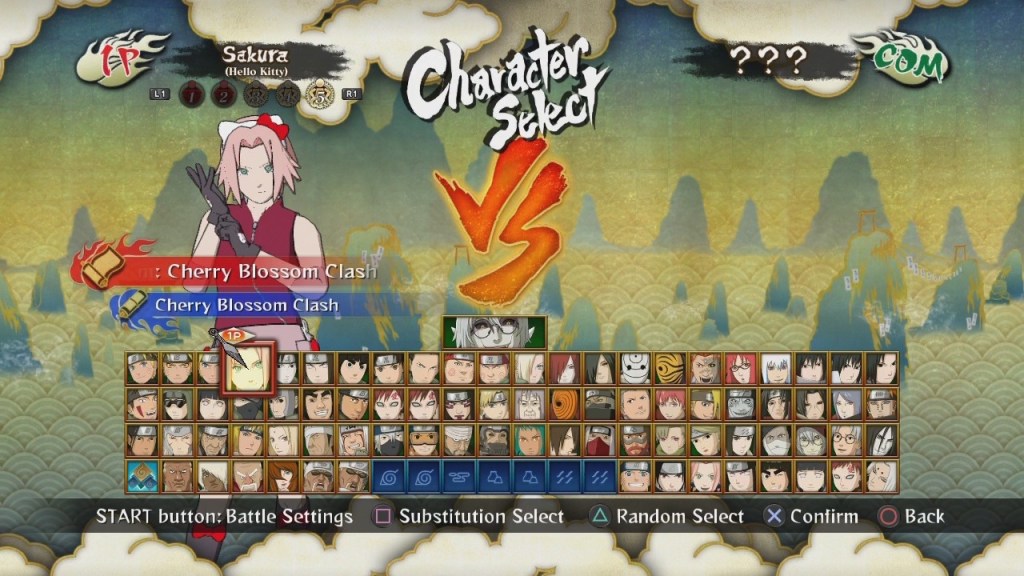

This is actually what led to J-Stars and Jump Force being delisted; Bandai would’ve had to acquire the rights to use series they didn’t regularly produce merchandise for, like the Yu-Gi-Oh! Duel Monsters anime (not the original, Toei series). Additionally, several series included in the games were no longer owned by Shueisha at that point. Fist of the North Star and City Hunter have been owned by Coamix since 2000, and Saint Seiya is now fully owned by Kurumada Productions and currently runs in an Akita Shōten magazine. Rumors point specifically to Dragon Quest: The Adventure of Dai as the reason Jump Force went down but, ultimately, at least four series could’ve played a part.
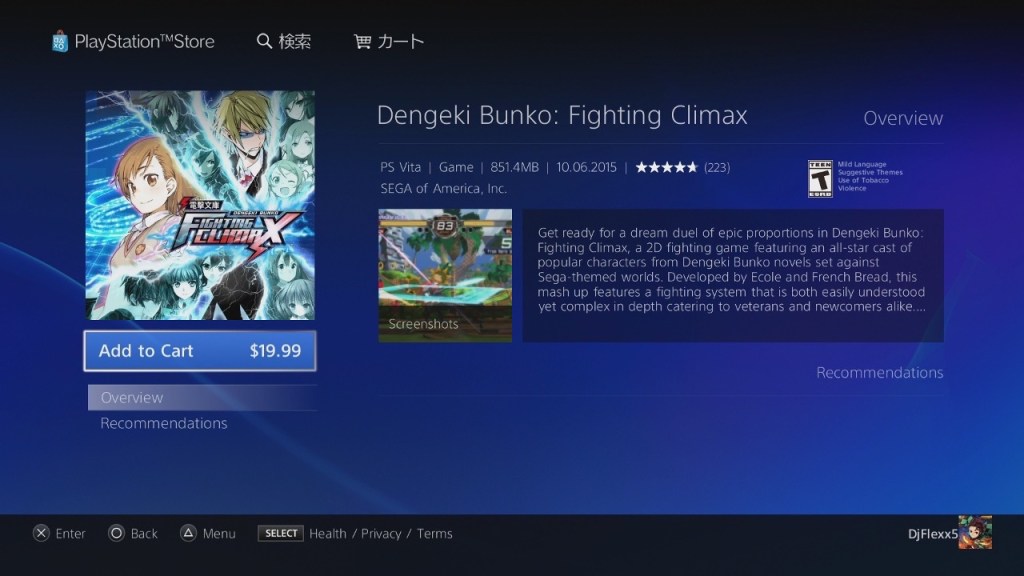
(None of this is a problem for Dengeki Bunko: Fighting Climax. SEGA used the Source License, so there weren’t 15 different companies and/or production committees to deal with. As a result, even the original DBFC is still available to purchase on PlayStation 3 in North America.)
This also isn’t a problem for Tales of Arise’s Sword Art Online collaboration, as Bandai publishes the SAO games and is on the series’ production committee.
If Jump+ Jumble Rush is a game, its impending licensing fiasco may be assured or averted depending on its publisher, and the two front-runners are Shueisha Games and Bandai Namco Entertainment. If Bandai is the publisher, there is an at least 80% chance the game will be delisted within five years for at least one of the same reasons J-Stars and Jump Force got pulled. Remember that Bandai is also a toy company, and they are almost guaranteed to use the Adaptation License instead of the Source License. If Shueisha publishes it themselves, the game will likely be up for the foreseeable future.
With that out of the way, it’s time to speculate about the game itself.
Who Would Be Making This Game?
First off, let’s hope and pray that this a console game. If it isn’t, throw the rest of this post in the trash because I don’t care anymore.
When Shueisha first established Shueisha Games in 2022, they had two goals: “discovering talented independent game creators” and “creation of new major titles.” Under the second goal, they announced a “multiplayer trick action” game that was “co-published with a major Japanese company,” “under development by a major Japanese developer,” and would be “a new genre of multiplayer competition.” If Jumble Rush is this game, that would mean it had already been in development for around three years. The claims of a “major” Japanese publisher almost immediately narrows it down to Bandai, Capcom, SEGA, Square Enix, and Koei Tecmo. If the developer isn’t an internal division of one of those companies, we’d need to look to the biggest names in Bandai’s regular rotation of anime game developers.
- CyberConnect2 is off working on Dragon Ball Z: Kakarot DLC, Demon Slayer: The Hinokami Chronicles 2, and allegedly Naruto X Boruto: Ultimate Ninja Storm Connections DLC.
- Spike Chunsoft spent the last few years working on Master Detective Archives: Rain Code and Dragon Ball: Sparking! ZERO, and both games used different teams. Both teams don’t seem to work on multiple games at the same time often, and Sparking! ZERO likely took up most of the anime team’s time over the last 6 years.
- Following up on the Capcom Rocc Talk, Dimps may have at least one team unaccounted for. If Dragon Ball Legends’ credits are ever released for me to look through them, we’d solve the mystery of what happened to most of the original Dragon Ball Xenoverse team.
To be clear, I don’t know how big a developer would be to be considered “major,” so I could be unintentionally leaving at least three teams out. If the game is announced, I believe I’d be able to figure out the developer by certain quirks if it isn’t revealed early on.
What Could The Roster Look Like?
The roster of a hypothetical Jump+ multiplayer is much easier to envision than who is making it. The average roster of a multiplayer-focused game for newer, lower-risk series is around 20, so all we need to do is look at what’s been animated, has a strong following, or can be connected to a bigger series, then pull one or two characters from each series, and throw Denji in by using the “the anime adaptation of Chainsaw Man isn’t from Jump+ but Denji appears in Part 2, which is in Jump+” loophole. That roster could look like:
- Loid Forger (SPY×FAMILY)
- Yor Forger (SPY×FAMILY)
- Momo Ayase (Dandadan)
- Ken Takakura (Dandadan)
- Matsuri Kazamaki (Ayakashi Triangle)
- Suzu Kanade (Ayakashi Triangle)
- Ushio Kofune (Summer Time Rendering)
- Koichi Haimawari (My Hero Academia: Vigilantes)
- Gabimaru (Hell’s Paradise)
- Yuuki Wakura or Kyouka Uzen (Chained Soldier)
- Liliel (The Ashford Chronicles/2.5 Dimensional Seduction)
- Kafka Hibino (Kaiju No. 8)
- Hikaru Gero (MARRIAGETOXIN)
- Kana Sakuragi (Magilumiere Magical Girls Inc.)
- Alma (ExArm)
- Princess (‘Tis Time for “Torture,” Princess)
- Ruri Aoki (RuriDragon)
- Denji (Chainsaw Man Part 2)
With Jump Festa 2025 running the weekend of December 21, 2024, we may see some surprises. Maybe Jump+ Jumble Rush will be among them.
 AniPlug Media
Leave a comment